


3 Economic Numbers Shaping the Housing Market Right Now
If you’re trying to understand where the housing market is headed in 2026, three key economic indicators are telling the story: oil prices, job growth, and mortgage rates. Together, these factors are influencing affordability, buyer demand, and overall market conditions.
1. Oil Prices Are Driving Inflation
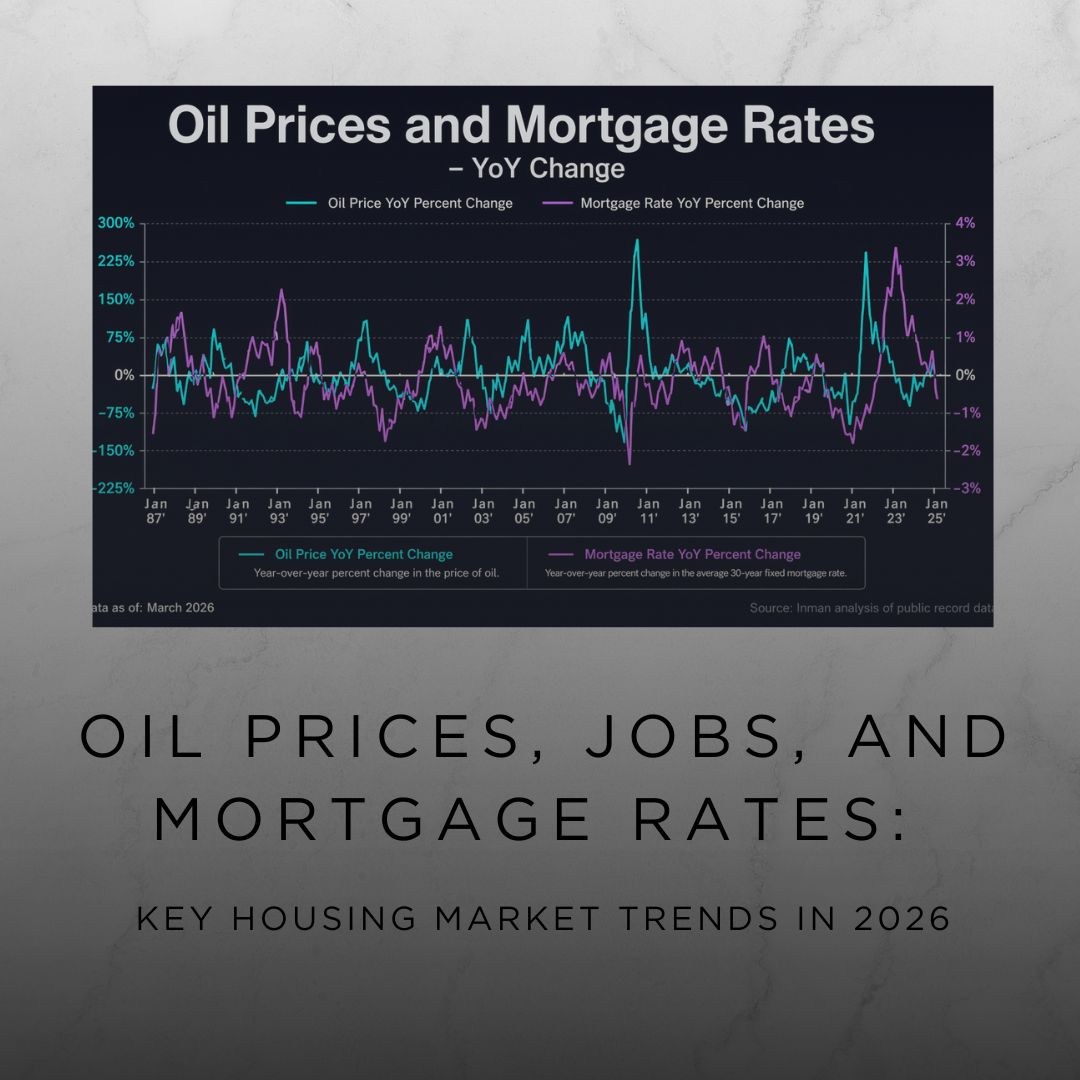
One of the biggest shocks to the economy this year has been the sharp rise in oil prices. A barrel of oil recently hit around $115—double what it was at the start of 2026.
This spike is largely tied to ongoing geopolitical conflict, which is increasing the cost of energy worldwide. Higher oil prices don’t just impact gas—they raise the cost of producing and transporting goods, contributing to inflation across the economy.
For the housing market, this matters because inflation often leads to higher interest rates, making borrowing more expensive.
2. Job Growth Is Strong—but Uncertain
The labor market showed strength in March, with 178,000 jobs added, marking one of the strongest months for job growth in over a year.
However, the broader trend tells a more complicated story. Over the past year, job gains have been inconsistent, with noticeable swings between growth and decline.
This mixed signal is important because a strong job market gives the Federal Reserve less urgency to lower interest rates. In other words, as long as employment remains stable, borrowing costs—including mortgage rates—may stay elevated.
3. Mortgage Rates Remain Elevated
Mortgage rates are currently hovering around 6.5%, after rising from earlier lows in 2026.
This increase is closely tied to inflation and economic uncertainty. As rates climb, affordability declines, making it harder for buyers to enter the market—especially during what is typically the busy spring season.
Higher rates are already slowing buyer demand, leading to a more balanced housing market rather than the competitive conditions seen in recent years.
4. Housing Inventory Is Increasing
Another important trend is the rise in available homes. There were about 964,000 active listings at the end of March, representing an 8% increase compared to last year.
This increase in inventory could benefit buyers by giving them more options and negotiating power. However, it also means sellers need to be more competitive in pricing and presentation.
What This Means for Buyers and Sellers
- Buyers: More inventory may create opportunities, but higher mortgage rates could limit affordability
- Sellers: Increased competition means pricing and presentation matter more than ever
- Market Outlook: The housing market is shifting toward balance, driven by broader economic forces
The Bottom Line
The housing market in 2026 isn’t being shaped by one single factor—it’s the combination of rising oil prices, a resilient but uneven job market, and elevated mortgage rates. These forces are working together to create a more balanced (and slightly more challenging) environment for both buyers and sellers.
Understanding these key numbers can help you make smarter real estate decisions in a rapidly changing market.
Source: Adapted from reporting by Inman